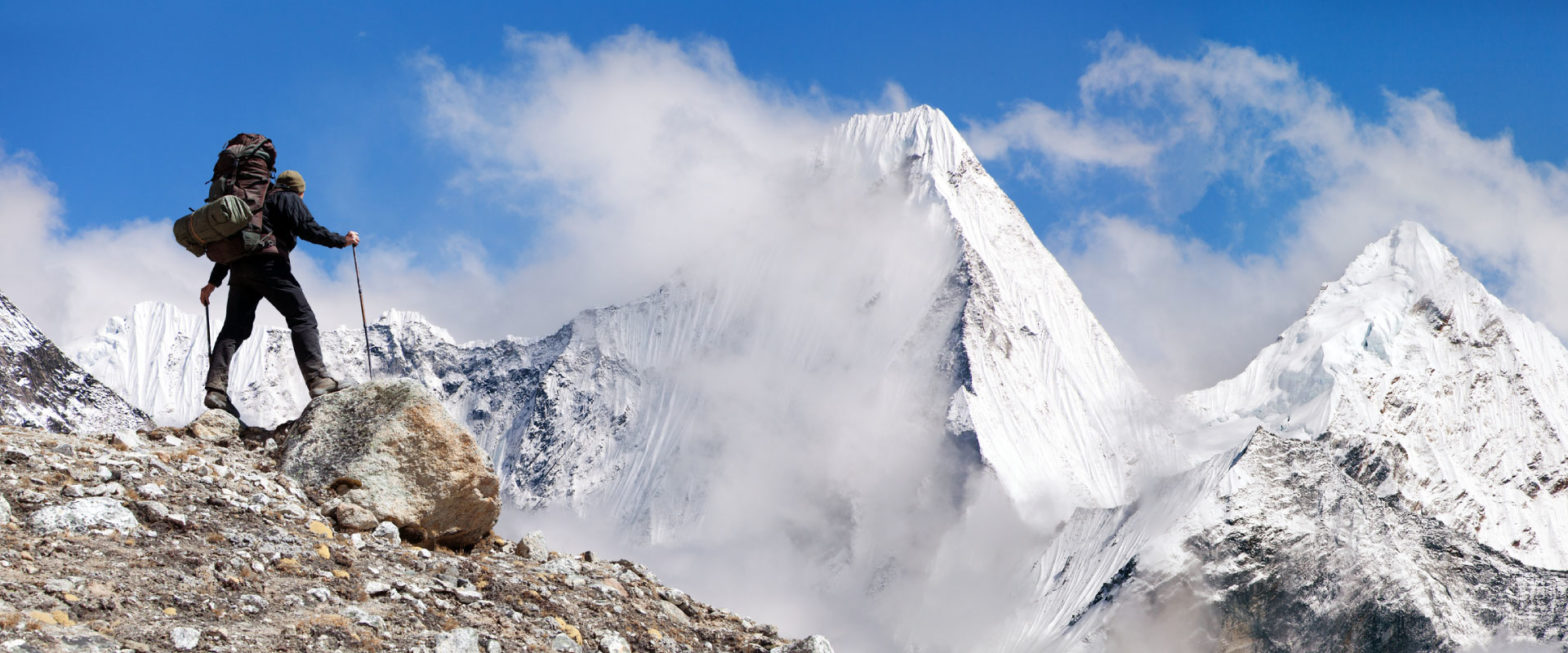
Mention adventure travel in Nepal, and the global imagination immediately conjures images of snow-dusted Himalayan peaks, colorful prayer flags fluttering along narrow mountain passes, and boots trekking toward Everest Base Camp. While multi-day high-altitude trekking remains the country’s signature draw, viewing Nepal through this single lens overlooks a vast, dynamic continent of thrills packed into a relatively small geographic footprint.
From navigating roaring glacial rivers to tracking single-horned rhinoceroses in dense subtropical jungles, Nepal offers a multi-faceted adventure landscape that goes far beyond traditional hiking.This complete guide explores the evolving world of outdoor exploration in Nepal, highlighting the thrilling experiences, unique geographic zones, and immersive journeys waiting for travelers of every discipline.
1. Whitewater and Aerial Thrills: Adrenaline in the Valleys
Nepal’s extreme topography creates dramatic shifts in elevation over short distances, producing world-class conditions for water and aerial sports.
Whitewater Rafting and Kayaking
Fed by the melting glaciers of the high Himalayas, Nepal’s wild rivers provide some of the finest whitewater expeditions on earth.
- The Trishuli River:Ideal for beginners and intermediate paddlers, offering exciting class III-IV rapids surrounded by scenic river gorges.
- The Bhote Koshi and Sun Koshi: Revered by professional kayakers and thrill-seekers, these steep, high-volume rivers deliver relentless adrenaline, technical drops, and multi-day wilderness camping.
Paragliding and Bungee Jumping
For those who prefer to explore from the sky, the lakeside city of Pokhara is globally celebrated as a premier paragliding hub. Tandem flights launch from Sarangkot, allowing travelers to soar alongside hawks while looking down at the serene Phewa Lake and directly at the jagged peaks of the Annapurna range.
Further east near the Tibetan border, the Bhote Koshi gorge houses one of the world’s highest bungee jumps. Leaping from a suspension bridge suspended over a roaring river canyon offers an unmatched drop for true adventure purists.
2. Jungle Safaris in the Subtropical Terai
A common misconception is that Nepal consists entirely of cold, elevated terrain. In reality, the southern lowland strip—known as the Terai—is covered in thick tropical jungles, tall elephant grass, and expansive river systems.
Chitwan National Park
A UNESCO World Heritage Site, Chitwan offers open-air jeep safaris, peaceful canoe trips along the Rapti River, and guided jungle walks.Visitors have high chances of encountering the endangered one-horned rhinoceros, wild elephants, mugger crocodiles, and a spectacular diversity of bird life.
Bardia National Park
For a wilder, less-frequented experience, head west to Bardia National Park. Because it receives fewer visitors than Chitwan, Bardia offers a pristine wilderness environment where tracking the elusive Royal Bengal tiger on foot with expert local naturalists becomes an authentic, high-stakes adventure.
3. High-Altitude Mountain Biking and Off-Road Expeditions
As dirt roads continue to expand into remote mountain valleys, Nepal has rapidly emerged as a world-class destination for mountain biking.
Upper Mustang Expeditions
Riding through the ancient kingdom of Upper Mustang is unlike anything else in Asia. Located in the rain shadow of the Himalayas, this semi-arid region features dramatic red-rock canyons, cave dwellings, and ancient Tibetan monasteries. Cyclists navigate high-altitude singletrack trails while taking in landscapes that mirror a high-altitude desert.
The Annapurna Foothills
For day rides, the ridge lines around Pokhara and the Kathmandu Valley offer technical singletrack descents, winding through rural terraced farmland, traditional Gurung villages, and dense pine forests.
4. Cultural Immersion as an Active Adventure
True adventure in Nepal is not solely measured by elevation or adrenaline; it is equally defined by cultural connection.
Village Homestays and Heritage Trails
Route options such as the Indigenous Peoples Trail or village homestays in places like Bandipur and Panauti allow travelers to step off the beaten track. Staying with local families, sharing traditional meals prepared over wood-burning stoves, and learning age-old farming techniques provides an authentic, human-centered adventure that supports local rural economies directly.
Essential Planning Tips for Your Nepalese Adventure
- Understand the Seasons:The optimal windows for most outdoor activities are Autumn (October to November) for crystal-clear skies and stable weather, and Spring (March to May) when rhododendrons bloom across the hills.
- Hire Certified Guides: Whether rafting, mountain biking, or safari tracking, always book through licensed local agencies to ensure proper safety gear, environmental ethics, and reliable emergency protocols.
- Acclimate Properly: Even if you are not trekking, activities in high valleys like Mustang or high passes require time for your body to adjust to lowered oxygen levels.
Conclusion
Nepal stands in a category of its own within the global travel landscape. It is a country where you can spend your morning paddling down white-water rapids, your afternoon soaring alongside mountain hawks in a paraglider, and your evening tracking wildlife through subtropical forests. By looking beyond traditional trekking routes and embracing the incredible variety of terrain, activities, and local traditions, travelers will discover an infinitely richer, more rewarding mountain adventure.