The term “world conflict” often conjures images of maps marked with moving armies, high-level diplomatic negotiations, and dramatic headlines. Yet, for those living within the shadow of such a massive geopolitical event. Whether they are soldiers deployed to the front, aid workers navigating supply lines. Or civilians enduring the daily instability—life is defined not by grand strategy. But by a series of granular, intense, and often profoundly lonely experiences.
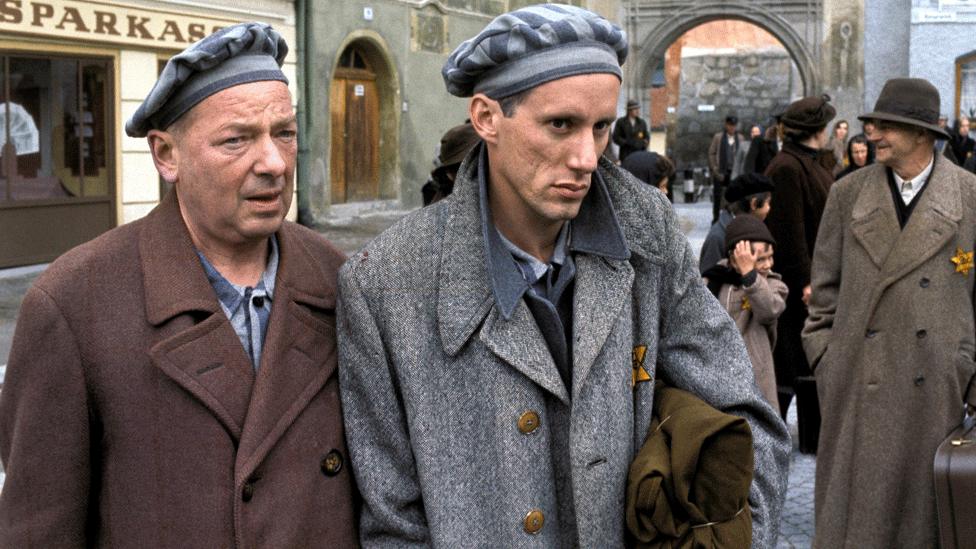
This article offers an insider’s perspective, peeling back the layers of political rhetoric. And military communiques to reveal the demanding, complex, and deeply human reality of life on a world conflict.
The Soldier’s Burden: The Routine of Intensity
The image of the heroic charge is rarely the reality of modern conflict. For the soldier, life is a contradiction: long periods of grinding monotony punctuated by moments of extreme, life-threatening intensity.
- Monotony and Vigilance: Days are often spent in the repetitive cycle of maintaining gear, standing watch. And following strict protocols designed to manage risk. This routine is essential for survival, but it demands a constant, exhausting level of vigilance. Sleep is fragmented, often interrupted by alerts, and never truly restful.
- The Weight of Decision: Experienced combat personnel live under the constant pressure of making split-second, life-or-death decisions in morally ambiguous situations. These choices, made under duress and exhaustion, follow them long after the tour ends. Forming the core of the psychological burden.
- The Paradox of Connection: Technology allows soldiers to maintain fleeting contact with home, but this connection is often painful. They see the normal, unchanging world of their families, intensifying the feeling of isolation and the vast. Growing chasm between their reality and the one they left behind. Their primary and most vital connection is to their small unit—the brotherhood forged in shared hardship, which becomes their immediate world.
The Aid Worker’s Tightrope: Logistics and Empathy
Aid workers, often seen as agents of pure benevolence, operate within the precise, high-stakes logistics of a humanitarian crisis. Balancing the urgent needs of the vulnerable with the constant threats of the warzone.
- Navigating the Maze: Life on the ground is a daily negotiation. It involves navigating complex bureaucracy, crossing volatile frontlines, and maintaining strict neutrality to ensure access to populations in need. Every delivery of food, medicine, or clean water is a logistical triumph built on detailed planning and immense personal risk.
- The Erosion of Empathy: While driven by empathy, aid workers face the constant risk of compassion fatigue. They are continually exposed to unimaginable suffering, and maintaining the emotional capacity to respond requires rigid professional boundaries. Their ‘routine’ involves accepting tragedy as a constant companion, forcing them to focus on immediate. Achievable goals rather than the overwhelming scope of the crisis.
- Temporary Homes: Aid workers often live in secure compounds, creating temporary, highly structured communities. Their social life revolves around shared mission goals, stress management, and stringent security protocols, making their existence temporary, isolated, and highly focused.
The Civilian’s Resilience: Normalizing the Abnormal
For the civilian population trapped in the conflict zone, life becomes an exercise in adaptation and radical resilience, where the abnormal has become the standard.
- Survival as Strategy: Daily life is a series of strategic calculations: Which market is safest today? Which route avoids the most debris? Is the power scheduled to be on long enough to charge a phone? Access to basic necessities—food, heat, clean water—is not guaranteed but earned through effort and risk.
- The Economy of Conflict: The local economy distorts, often collapsing legitimate businesses while fueling black markets and essential services that thrive on scarcity. People rely on intricate networks of trust and kinship, using resourcefulness and bartering to fill the gaps left by failing government structures.
- Education and Hope: Despite the overwhelming danger, life continues. Parents prioritize getting children to school, often using basements or makeshift shelters for classrooms. These activities—teaching, gathering, even celebrating—are not merely distractions; they are active forms of resistance and affirmations of hope, proving that the human spirit will not be entirely subjugated by the conflict. Children growing up here learn to distinguish different types of explosions before they learn to read.
The Unspoken Truth: The Psychological Scars
Regardless of their role—combatant, helper, or survivor—the enduring reality of life on a world conflict is the permanent psychological alteration.
- Hyper-Awareness: A constant state of hyper-vigilance becomes wired into the nervous system. The sound of a car backfiring or a sudden loud noise can trigger a complete physiological response, a defense mechanism that lingers long after the danger has passed.
- Moral Injury: This is the deep wound caused by witnessing or participating in actions that violate one’s core moral beliefs. Unlike PTSD, which is rooted in fear, moral injury is rooted in guilt, shame, and betrayal, forming a heavy, lasting weight on the conscience.
- The Silence of Experience: Returning home often means facing a world that cannot comprehend their reality. The experiences are too visceral, too complex, and too dark to easily share, leading to a profound sense of isolation and a reliance on fellow veterans or survivors who carry the same silent burdens.
Conclusion: The Human Cost, Measured in Days
Life on a world conflict is not defined by the historical arc of the war, but by the minute-by-minute struggle for psychological and physical integrity. It is a life measured by the availability of water, the sound of the air raid siren, the trustworthiness of a fellow soldier, and the small, defiant acts of normalcy in the face of chaos. Understanding this granular reality—the daily struggle of the soldier, the empathy of the aid worker, and the resilience of the civilian—is essential to truly grasping the immense, often invisible, human cost of global strife.