In the sophisticated world of hospitality, the hotel dinner is more than just a meal; it is a centerpiece of the guest experience. Whether a traveler is arriving late after a grueling flight or a local couple is seeking a romantic escape, the hotel restaurant serves as a sanctuary of flavor and comfort. As we move through 2026, the expectations for hotel dining have shifted. Guests are no longer satisfied with generic international buffets. They crave “narrative dining”—menus that tell a story of locality, sustainability, and culinary innovation.
2e6eb2fcd38bf4f033b386d7de94c294ce45e32f623ea101162f88ee5a6103f4
For hotel managers and executive chefs, designing a dinner menu is a strategic balancing act. It must be diverse enough to satisfy a global palate yet focused enough to maintain a high standard of execution. From the selection of appetizers to the final notes of a signature dessert, every element must reflect the brand’s identity and the region’s seasonal bounty.
The Philosophy of the Modern Hotel Menu
A successful hotel dinner menu starts with a clear philosophy. In the current culinary landscape, this often revolves around “Hyper-Locality.” Modern travelers want to taste the destination they are visiting. If a hotel is located in East Java, the menu should subtly incorporate regional elements like organic volcanic-soil vegetables or traditional spices, elevated through contemporary French or Italian techniques.
The “Small Plate” revolution also continues to influence dinner service. Instead of a rigid three-course structure, many high-end hotel restaurants are moving toward “Shared Experiences.” Providing a robust selection of appetizers and mid-sized plates allows groups to explore multiple flavors without the commitment of a heavy entrée. This flexibility is highly valued by modern diners who prefer a lighter, more social evening meal.
Appetizers: The First Impression
The beginning of the dinner sets the emotional tone for the entire evening. An effective hotel appetizer menu should offer a contrast in textures and temperatures.
1. The Garden Selection
Salads should move beyond the standard Caesar. Think of heirloom tomatoes paired with locally sourced burrata, or charred asparagus with a citrus-infused hollandaise. Utilizing seasonal greens not only improves the flavor profile but also aligns with the “Farm-to-Table” movement that guests increasingly expect.
2. Seafood and Raw Bars
For luxury hotels, a raw bar featuring oysters, scallop crudo, or yellowfin tuna tartare provides an immediate sense of opulence. These dishes are light, refreshing, and showcase the chef’s ability to source the highest quality ingredients. Pairing these with a crisp local white wine or a signature botanical mocktail creates a sophisticated start to the night.
Main Courses: Balancing Classics and Innovation
The heart of the dinner menu must cater to two types of guests: the adventurous foodie and the weary traveler seeking the “comfort of the familiar.”
The Signature Protein
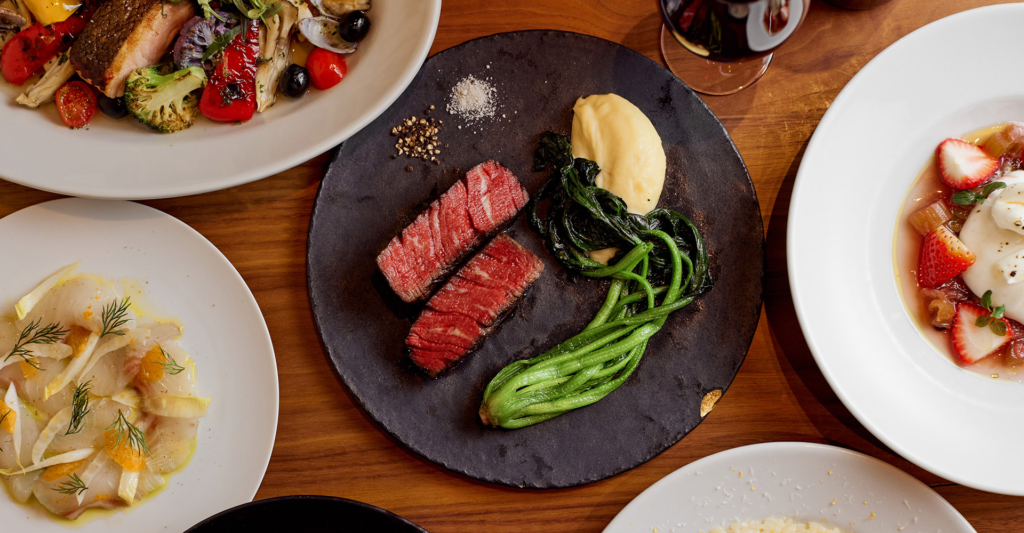
Every hotel needs a “Hero” dish. This is often a perfectly seared Wagyu steak, a slow-roasted rack of lamb, or a pan-fretted sea bass. The secret to making these common dishes feel unique to your hotel lies in the “accoutrements.” Instead of standard mashed potatoes, perhaps a parsnip purée or a truffle-infused cauliflower gratin. These subtle twists elevate a standard meal into a memorable culinary event.
Plant-Based Sophistication
In 2026, the vegetarian or vegan option can no longer be an afterthought. A modern hotel menu must feature a plant-based main course that is as complex and visually stunning as its meat-based counterparts. Consider a miso-glazed roasted eggplant with quinoa pilaf or a wild mushroom risotto finished with aged nutritional yeast and micro-herbs. When the “vegetable option” becomes the most talked-about dish on the table, you have achieved true menu balance.
The Importance of the “Late-Night” Transition
One unique challenge of hotel dining is the “Late Arrival.” A guest checking in at 10:00 PM may still want a high-quality dinner, but the full kitchen staff might be scaling back. A smart hotel menu includes a “Late-Night Transition” section. This features high-quality, quickly prepared items like a gourmet Wagyu burger, a classic Club Sandwich with artisanal bread, or a rich, comforting bowl of ramen. Maintaining quality during these off-peak hours is what separates a four-star hotel from a five-star establishment.
Dessert and Digestifs: The Grand Finale
The final course is the last memory a guest has of their dining experience. The trend for 2026 is moving away from overly sugary, heavy cakes toward “Deconstructed Desserts” and “Citrus Palate Cleansers.”
A signature hotel dessert might be a dark chocolate fondant with a molten center of salted caramel, served with a scoop of locally sourced vanilla bean gelato. Alternatively, a lemon and basil sorbet provides a light, refreshing finish that leaves the guest feeling satisfied rather than over-satiated.
To complete the experience, the menu should offer a curated list of digestifs, specialty coffees, and herbal teas. This encourages guests to linger, enjoy the ambiance, and perhaps order one final drink, increasing the overall revenue per cover while enhancing guest satisfaction.
Conclusion
Curating a dinner menu for a hotel is an evolving art form. It requires a deep understanding of the guest’s needs, a passion for local ingredients, and an eye for global trends. By balancing high-end signature dishes with accessible comfort food, and prioritizing plant-based innovation alongside premium proteins, a hotel can transform its restaurant into a standalone destination.
Ultimately, a great hotel dinner menu is about more than just food; it is about creating a sense of place. When a guest sits down at your table, they should feel that they have truly arrived. Whether they are staying for one night or one week, the flavors you provide are the threads that weave their travel experience together. Invest in your menu, empower your chefs to experiment with locality, and your hotel will become a beacon of culinary excellence in an increasingly competitive world.