While many travelers associate National Parks with sun-drenched summer hikes and crowded scenic overlooks, winter offers an entirely different, arguably more profound, experience. The layer of snow and ice transforms familiar landscapes into silent, majestic realms, often clearing out the summer crowds and revealing wildlife that is rarely seen during warmer months. Visiting a National Park in the winter is an opportunity for solitude, stunning photography, and engaging in unique cold-weather activities.
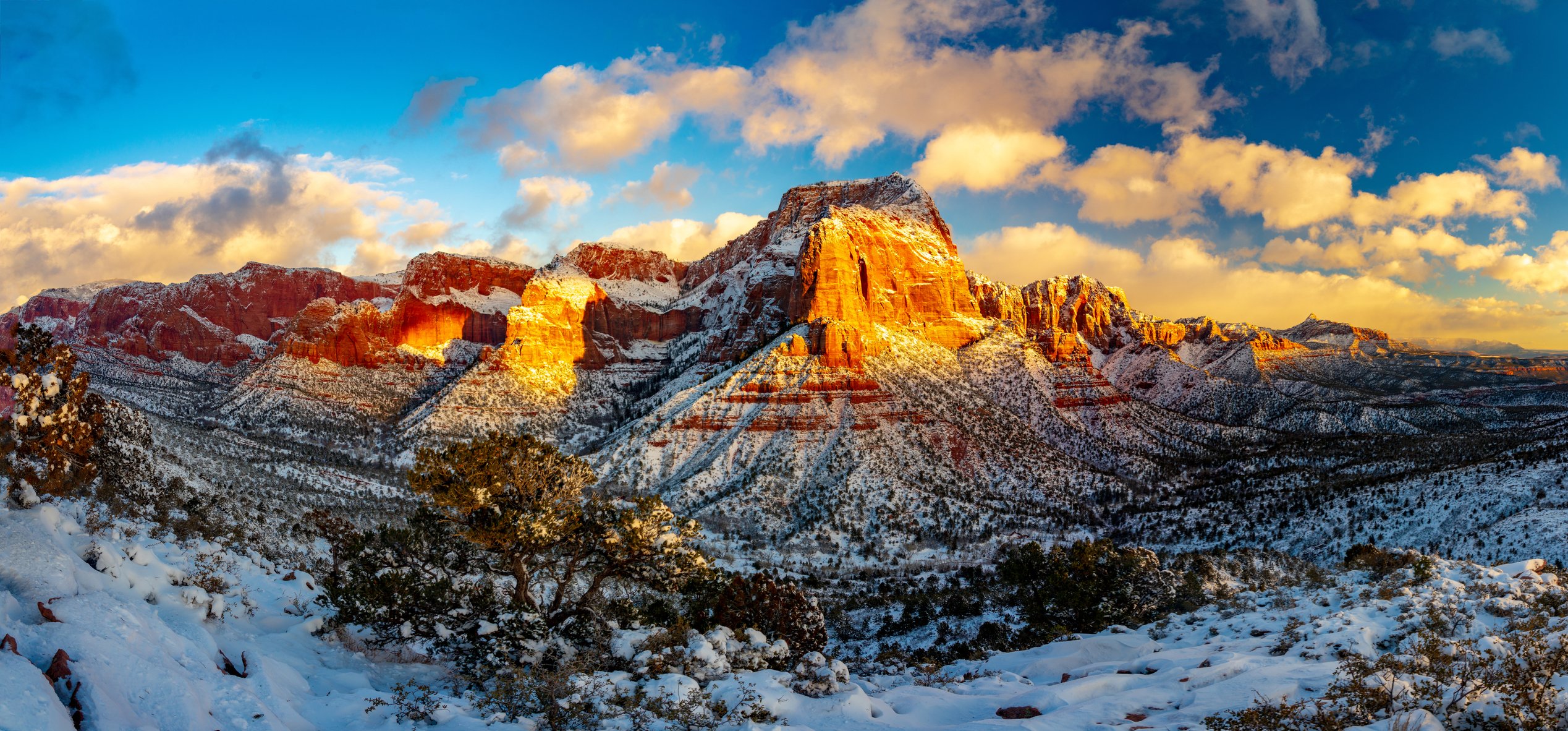
For those willing to embrace the cold and respect the wild, this guide explores the Best National Parks to Visit in the Winter, highlighting destinations that maintain accessibility, offer unique seasonal activities, and provide unparalleled natural beauty during the quietest time of the year.
1. Yellowstone National Park, Wyoming/Montana/Idaho: The Geothermal Wonderland
Yellowstone, America’s first National Park, is a spectacle in any season, but winter turns it into a true masterpiece of fire and ice. The park largely closes to personal vehicles, meaning access is primarily restricted to snowmobiles, snow coaches, and cross-country skis, guaranteeing a quiet, exclusive experience.
- Unique Winter Appeal: The iconic geysers, hot springs, and fumaroles steam dramatically against the frigid air, creating ethereal clouds and frosted landscapes. This phenomenon makes Old Faithful and the Grand Prismatic Spring look otherworldly.
- Activities: Snow Coach Tours are the best way to see major attractions like Old Faithful. Cross-country skiing and snowshoeing on groomed trails offer silent wildlife viewing opportunities.
- Wildlife Viewing: Winter concentrates wildlife near geothermal heat sources and rivers, making sightings of bison, elk, and even wolves more likely and rewarding against the white backdrop.
- Accessibility: Access to the interior of the park is restricted, requiring reservations for transportation or guided tours, which adds to the cost but guarantees low-density viewing. The North Entrance (Gardiner, Montana) is the only entrance open to regular vehicles year-round, allowing access to the Lamar Valley.
2. Grand Canyon National Park, Arizona: Silent Majesty and Clear Views
The Grand Canyon is always grand, but the South Rim in winter offers an incredible contrast that many summer visitors miss: red rock layers dusted with snow and unparalleled visibility thanks to the clean, crisp winter air.
- Unique Winter Appeal: Snowfall on the canyon rims is relatively rare but transforms the already dramatic landscape into something truly breathtaking. More consistently, the clear atmosphere allows for vistas that stretch over 100 miles, far exceeding summer haze.
- Activities: The South Rim remains open year-round. Hiking is possible on the upper trails, though microspikes are often required due to ice. The drive along the scenic roads is less crowded and more relaxed.
- Accessibility: Crowds are minimal, and lodging reservations are easier to secure and often cheaper than in the summer. Snow removal is prioritized on main roads.
- Best For: Photography, quiet contemplation, and escaping the extreme heat of the desert southwest.
3. Sequoia and Kings Canyon National Parks, California: Giants Under Snow
These adjacent parks are home to the largest trees on Earth, and seeing the massive Giant Sequoias standing sentinel in a blanket of snow is a humbling and unforgettable experience.
- Unique Winter Appeal: The massive scale of the sequoias is amplified by the white snow, making the forest floor quiet and majestic. The deep quiet of the forest in winter is deeply restorative.
- Activities: Snowshoeing and cross-country skiing are the main attractions here, offering the best way to explore the groves. Rangers often lead guided snowshoe walks, providing valuable insight into the winter ecology.
- Accessibility: Generals Highway usually remains open, but chains or four-wheel drive are often required. Park services are limited, emphasizing the sense of remote wilderness.
- Best For: Nature lovers, snow sports enthusiasts, and those seeking awe-inspiring natural monuments in solitude.
4. Zion National Park, Utah: Waterfalls and Red Rock Contrast
Zion is famous for its towering sandstone cliffs, and winter provides relief from the intense heat and overwhelming crowds of peak season. While the main road (Zion Canyon Scenic Drive) closes to private vehicles in summer, it often remains accessible in the winter.
- Unique Winter Appeal: The vibrant red and white of the Navajo sandstone cliffs contrast dramatically with occasional snow and the crystal-clear waters of the Virgin River. After a cold spell, seasonal waterfalls may freeze into dramatic ice columns.
- Activities: Hiking remains popular, particularly the lower trails like the Emerald Pools. The famous Angels Landing trail remains open, though it is extremely dangerous when icy. The Narrows can be hiked in a drysuit for the adventurous, as the water is too cold otherwise.
- Accessibility: The lack of mandatory shuttle service makes driving through the canyon easier, and lodging in nearby Springdale is often more affordable.
- Best For: Experienced hikers, photographers, and those who want to experience the park’s famous beauty without the heavy crowds.
5. Everglades National Park, Florida: The Dry Season Delight
Not all great winter parks involve snow. The Everglades provides a warm escape where winter is actually the dry season, making it the best time for wildlife viewing and comfortable exploration.
- Unique Winter Appeal: Lower water levels concentrate wading birds, alligators, and crocodiles in smaller areas, making them significantly easier to spot. The humidity and mosquito levels are also at their lowest.
- Activities: Kayaking, canoeing, and airboat tours are excellent. Ranger-led programs like guided walks and talks are plentiful during the peak winter season.
- Accessibility: All main entrances and visitor centers are open and easily accessible. The comfortable temperatures make lengthy hikes on trails like the Anhinga Trail highly enjoyable.
- Best For: Wildlife viewing, birders, paddlers, and anyone seeking a warm, mosquito-free outdoor adventure.
Conclusion: Solitude and Splendor Await
Visiting a National Park in the winter requires careful planning, appropriate gear (layers, traction devices), and a readiness for reduced services. However, the reward is immeasurable: landscapes cleared of summer’s haze, the quiet majesty of snow-draped wilderness, and an intimate connection with nature that only solitude can provide. Trade the crowded trails for the hushed beauty of a frozen frontier, and discover the National Parks in their most elemental and splendid season.