The underwater world remains one of the planet’s last great frontiers—a realm of unparalleled beauty, silence, and vibrant life. For many, the desire to explore coral reefs, swim alongside marine creatures, and witness the magic of the deep is a powerful calling. Scuba diving provides the perfect vehicle for this exploration. However, venturing beneath the surface requires knowledge, discipline, and a thorough understanding of essential safety procedures.
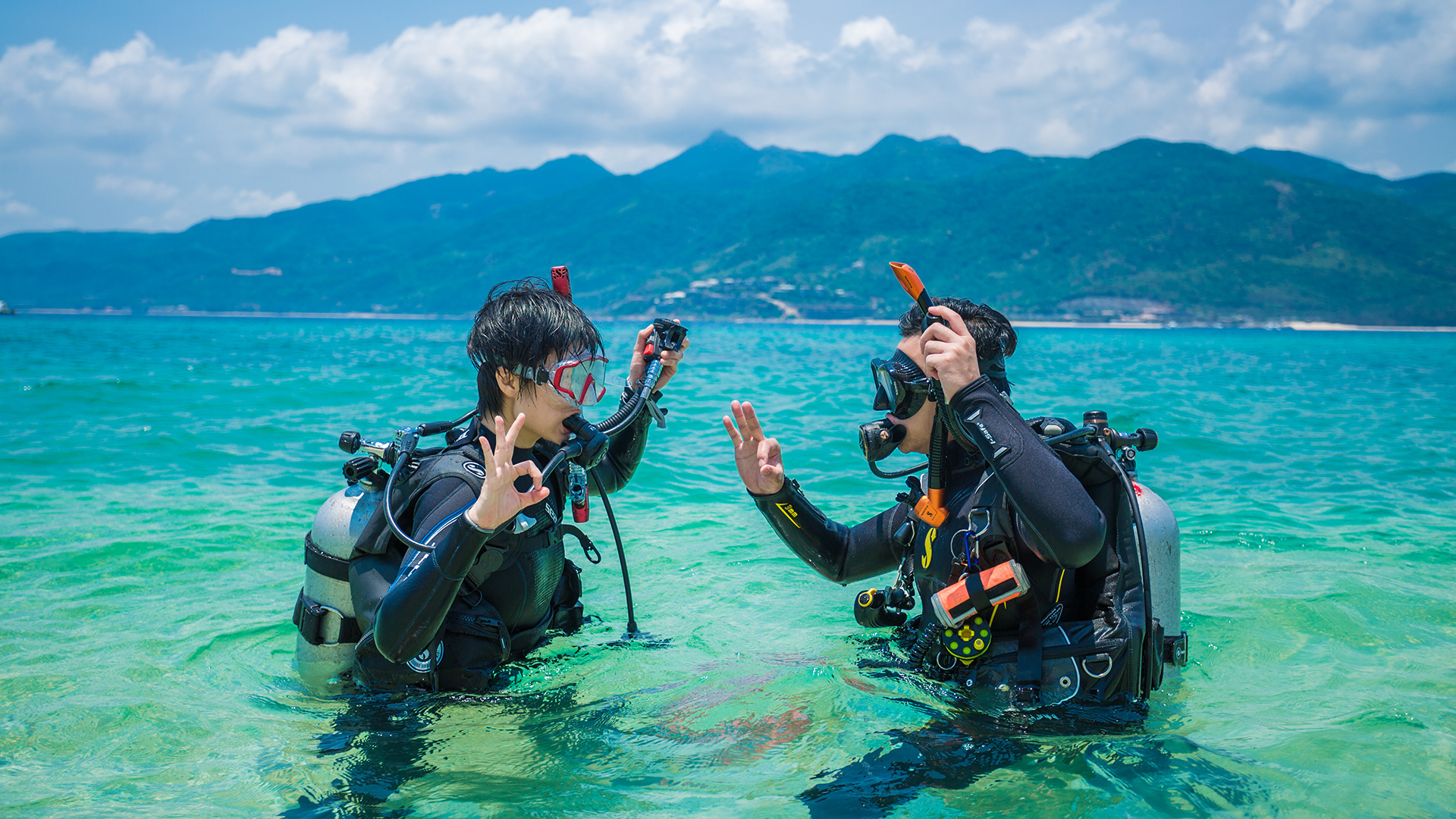
This comprehensive guide is designed for the absolute novice, providing an overview of the fundamental concepts, necessary training, and practical steps involved in taking the plunge into the exciting world of basic scuba diving.
The Core Concept: Understanding Scuba
Scuba is an acronym for Self-Contained Underwater Breathing Apparatus. Unlike snorkeling, which relies on a surface breath, scuba diving allows a diver to remain submerged for extended periods by carrying a supply of compressed air.
Essential Equipment for the Beginner
Before even considering descending, a beginner must understand the basic life support equipment:
- Mask, Fins, and Snorkel: These are standard pieces of equipment. The mask provides clear vision; fins allow efficient movement with minimal effort; and the snorkel is used for surface swimming and conserving tank air before descent.
- Buoyancy Control Device (BCD): This vest-like apparatus holds the air tank and allows the diver to add or release air to control vertical movement and maintain neutral buoyancy (floating effortlessly without sinking or rising).
- Regulator: This critical device attaches to the tank valve and reduces the high-pressure air from the tank to a manageable pressure that the diver can safely breathe through the mouthpiece.
- Air Tank (Cylinder): Typically filled with compressed air (a mixture of 21% oxygen and 79% nitrogen, the same as the air we breathe), this is the diver’s life source underwater.
- Gauges/Computer: Essential tools that monitor the remaining air pressure in the tank and, crucially, track depth and time to prevent decompression sickness.
The Training Path: Your Certification Journey
No one should attempt scuba diving without proper, recognized certification. The initial training program, commonly known as the Open Water Diver (OWD) certification, is the necessary foundation.
Phase 1: Academics (Knowledge Development)
This phase involves learning the theoretical principles of diving, usually through online study, books, or classroom sessions. Key topics include:
- Dive Physics: Understanding how pressure affects the human body and gases underwater (e.g., Boyle’s Law and Henry’s Law).
- Dive Physiology: Learning about potential risks like ear equalization problems, nitrogen narcosis, and decompression sickness (the bends).
- Equipment Function: Detailed knowledge of how each piece of gear works and how to perform basic checks.
- Safety Procedures: Emergency ascent procedures and buddy system protocols.
Phase 2: Confined Water Dives
Under the direct supervision of an instructor, divers practice fundamental skills in a pool or a confined, shallow water environment. This phase builds muscle memory and confidence. Key skills mastered here include:
- Clearing a flooded mask.
- Recovering a regulator that has come out of the mouth.
- Practicing buoyancy control using the BCD and breath.
- Performing emergency procedures with a diving buddy.
Phase 3: Open Water Dives
This is the final test. The student performs four or more dives in a natural setting (ocean, lake, or quarry) to depths typically up to 60 feet (18 meters). The student must successfully demonstrate all skills learned in Phase 2, proving their ability to handle real-world conditions safely and independently (though still under the instructor’s direct supervision). Upon successful completion, the diver receives their OWD certification card, a license recognized globally.
Mastering the Fundamentals: Buoyancy and Equalization
Two concepts are critical for safe and enjoyable diving for beginners:
1. Neutral Buoyancy
Achieving neutral buoyancy is the goal of every successful dive. It means the diver neither floats toward the surface nor sinks toward the bottom.
- Weights: Divers wear lead weights, carried on a belt or integrated into the BCD, to counteract the positive buoyancy of the wetsuit and body fat. The correct amount of weight is crucial.
- BCD Use: Tiny adjustments of air into and out of the BCD are used to fine-tune depth.
- Breathing Control: A simple breath inhaled slightly increases buoyancy, while exhaling slightly decreases it. Expert divers use their lungs more than their BCD to maintain perfect trim.
2. Pressure Equalization (The Valsalva Maneuver)
As a diver descends, the increasing water pressure compresses the air spaces in the body, particularly the ears and sinuses. Failure to equalize can cause pain and severe injury.
- Technique: The most common method is the Valsalva maneuver—pinching the nose and gently blowing (like blowing up a balloon) to push air into the eustachian tubes.
- Timing: Equalization must be performed proactively, before discomfort begins, ideally every few feet during descent. If a diver cannot equalize, they must ascend slightly until the pressure eases and try again. Never force equalization.
Safety Protocols: The Buddy System and Dive Planning
Scuba diving is never a solo activity. Safety relies on strict adherence to established protocols.
- The Buddy System: Two divers always enter the water together, check each other’s equipment (a “buddy check”), and remain within close visual proximity throughout the dive. A buddy is trained to assist in emergencies, share air if a regulator fails, and monitor the other diver’s air consumption and well-being.
- Dive Planning: Before every descent, certified divers plan their dive. This includes agreeing on maximum depth, planned bottom time, turn-around air pressure (the point at which the dive must end), and communication signals. Never exceed the limits set during the planning phase.
Conclusion: The Start of an Adventure
Basic scuba diving is an activity that offers immense rewards—from the thrill of weightlessness to the wonder of untouched ecosystems. While the initial training involves a steep learning curve of physics, equipment mastery, and safety protocols, the commitment pays dividends in access to two-thirds of the planet’s surface. For the beginner, the Open Water Diver course is the essential key, unlocking a lifetime of safe, responsible, and breathtaking underwater adventures. The underwater world awaits its newest explorer.